
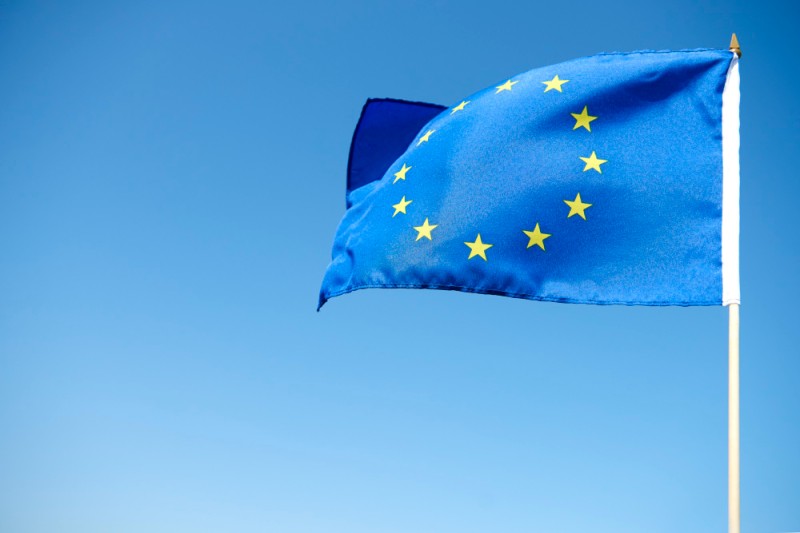
The European Union is taking steps to bolster the resilience of its supply chains and lessen its heavy reliance on China by encouraging businesses to seek alternative sources for critical materials and key imports. This initiative is part of a broader strategy to address concerns about China’s significant control over critical mineral processing and past restrictions on the export of rare earth materials. European Commission President Ursula von der Leyen announced that the Commission is drafting new legislation that would mandate companies to diversify their supply sources if voluntary efforts prove inadequate.
During a meeting in Brussels, EU leaders expressed a shared commitment to engage with major trading partners to tackle global economic imbalances. They discussed the possibility of implementing additional trade measures if necessary to address these issues. The leaders are particularly concerned about the EU’s substantial trade deficit with China, which has reached an estimated €1 billion per day. This trade imbalance has been described as unsustainable by European Council President Antonio Costa, who emphasized the need for more significant progress in economic relations with Beijing.
The EU’s approach reflects a strategic emphasis on “de-risking” rather than severing economic ties with China entirely. By maintaining economic security and enhancing long-term competitiveness, the EU aims to protect its interests while still engaging with China. This nuanced approach seeks to balance the need for security with the economic benefits of continued trade relations.
Coordination among EU member states is also a priority, as leaders agreed to unite in their responses to potential economic retaliation from foreign entities. This emphasis on solidarity underscores the importance of a collective stance in safeguarding the EU’s economic interests.
Overall, the European Union’s efforts to diversify supply chains and address trade imbalances demonstrate a proactive stance in navigating the complexities of international trade. By pursuing both legislative measures and diplomatic engagements, the EU is positioning itself to better manage its economic relationships and ensure a more secure and competitive future.