
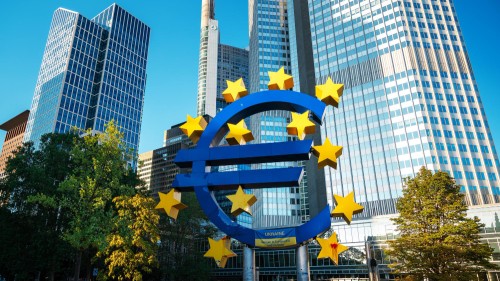
The European Central Bank (ECB) has increased interest rates for the first time since 2023, in a move aimed at countering rising inflation fueled by escalating energy costs associated with the ongoing conflict in Iran. The bank’s main deposit rate has been adjusted from 2% to 2.25%. Financial markets anticipate additional hikes in the coming months should inflationary pressures continue.
Inflation in the eurozone rose to 3.2% in May 2026, up from 3% in April. This increase is largely attributed to higher oil and gas prices resulting from global supply disruptions. The ECB’s official inflation target remains at 2%, underscoring the challenge it faces in managing price stability amid geopolitical tensions.
The outlook for the eurozone economy is uncertain, as officials warn that ongoing geopolitical issues could maintain elevated energy prices, further impacting consumer costs. Alongside the interest rate hike, the ECB has downgraded its growth forecasts for the region, citing weaker demand and persistent global instability. This shift indicates the central bank’s focus on controlling inflation over stimulating short-term growth.
Economists are divided on how aggressively the ECB will pursue its tightening cycle. Some predict one or two more rate hikes, while others argue that slowing economic growth may limit further actions. The situation is closely watched by other major central banks, including those in the United States and the United Kingdom, as they also navigate inflation trends influenced by volatile energy markets.