
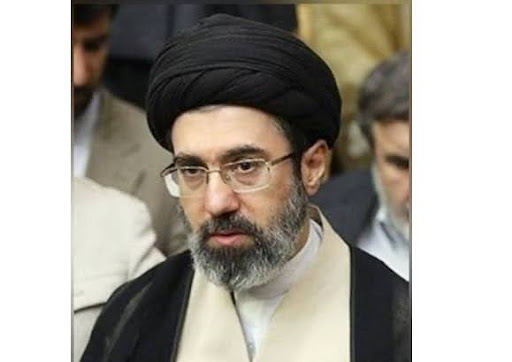
Mojtaba Khamenei has been named Iran’s new supreme leader, succeeding his father Ayatollah Ali Khamenei, who was killed in a US-Israeli military strike on Tehran on February 28. The Assembly of Experts, the body responsible for selecting and overseeing the supreme leader, confirmed the appointment on Sunday following what it described as a decisive vote. State broadcasters immediately called on all Iranians to rally behind the new leadership.
Unlike his father and the republic’s founder Ayatollah Ruhollah Khomeini, Mojtaba Khamenei never pursued a visible public role. He is known primarily through his connections rather than his accomplishments in government. Born in Mashhad in 1969, he later moved through Qom’s religious academies and was reportedly present on the front lines of the Iran-Iraq war. His most significant influence came through controlling access to his father’s inner circle and maintaining close ties to the IRGC.
Iranian institutions rallied swiftly around the new leader. The Revolutionary Guards said they were ready to execute his orders, and the speaker of parliament framed support for him as a religious duty. Security chief Ali Larijani and other top officials issued statements endorsing Mojtaba’s fitness to lead during one of the most turbulent periods the country has faced since the revolution.
Internationally, Trump expressed continued skepticism about the new leader and had previously warned that an unacceptable successor would not last. The Israeli military struck Iranian targets on Monday, framing the operation as part of its ongoing campaign against the regime. Gulf neighbors reported renewed drone attacks, and Saudi Arabia’s civil defense confirmed the deaths of two civilians in Al-Kharj from incoming fire. Oil markets lurched higher as the IRGC threatened to disrupt regional energy supply.
Mojtaba Khamenei now inherits both his father’s legacy and the full weight of the republic’s crises. Domestically, his appointment raises profound questions — can a hereditary transfer of power be squared with the founding ideals of a revolution that overthrew a dynasty? Abroad, he leads a nation under military siege with allies already sending messages of solidarity and enemies watching for any sign of weakness.