
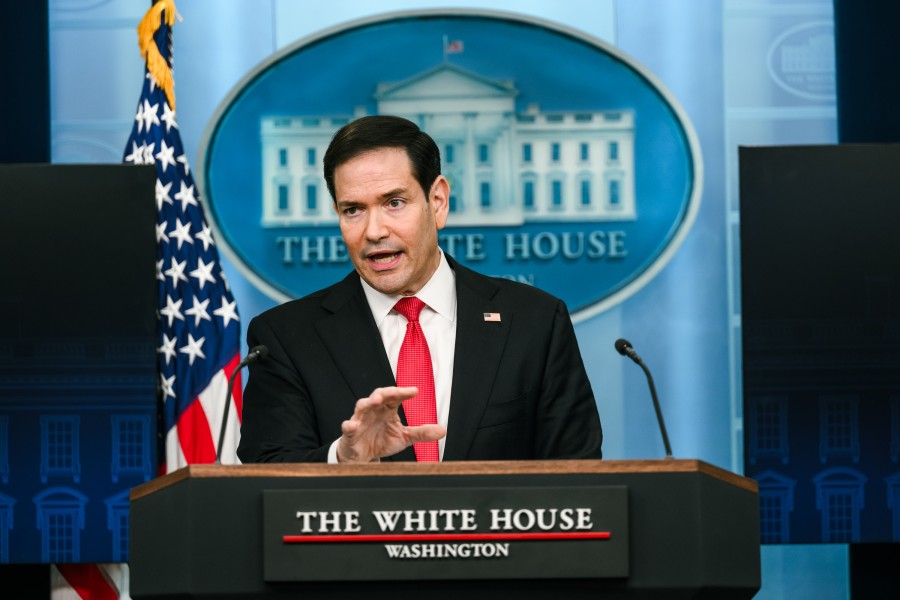
Amid rising regional tensions and recent diplomatic shifts, U.S. Secretary of State Marco Rubio has assured Gulf nations that the strategic Strait of Hormuz will remain accessible for international shipping. During his visit to key Gulf countries, including the United Arab Emirates, Kuwait, and Bahrain, Rubio emphasized that no nation, Iran included, will be permitted to levy tolls or fees on this crucial maritime passageway.
This diplomatic mission is part of the U.S.’ efforts to bolster confidence among its Gulf allies following a ceasefire agreement between Washington and Tehran. The agreement, which includes a 60-day period allowing unrestricted maritime passage, has sparked concerns among Gulf states about Iran’s potential influence, especially with its access to previously frozen assets. Rubio reassured that the U.S. will uphold the freedom of navigation under international law in the Strait of Hormuz.
The discussions during Rubio’s visit also focused on ensuring that any financial relief afforded to Iran will not fortify its military capabilities. Despite these concerns, Iran has refused to consider its ballistic missile program in any future negotiations, citing its necessity for national defense. This stance adds complexity to the broader regional discourse on security and military balance.
As the talks unfold, Gulf nations remain vigilant about the broader implications of the ceasefire, particularly regarding nuclear oversight, the lifting of sanctions, and the overall security landscape in the region. Rubio reiterated the U.S. commitment to safeguarding its allies and maintaining stability in the Gulf, a sentiment aimed at alleviating the unease surrounding the recent geopolitical developments.