
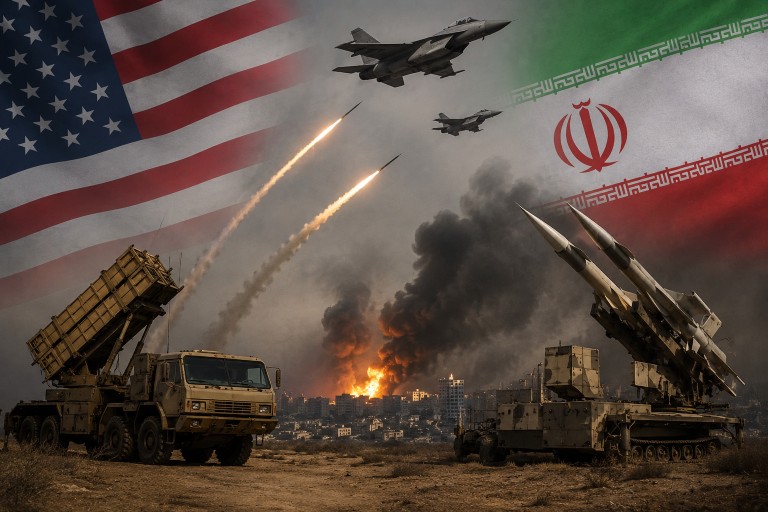
Military tensions between the United States and Iran have intensified for a sixth day, sparking fears of a more extensive regional conflict and threatening a recently established interim peace framework. The U.S. military has launched new strikes on targets near Tehran and targeted a vessel approaching Iran’s Kharg Island, accusing it of ignoring repeated warnings. Iranian officials have reported numerous casualties from these strikes and have condemned the attacks.
In retaliation, Iran has deployed missiles and drones targeting Bahrain, Jordan, and Kuwait—nations that host U.S. military bases. Additionally, Iraqi authorities have reported intercepting a drone attack near Erbil. Oil loading operations at Basra experienced a brief suspension after a drone hit a tanker, although no significant damage was incurred.
The situation has also escalated around the Strait of Hormuz, a vital global energy passage. Iran claimed to have closed the waterway and issued warnings of potentially expanding military actions should the U.S. target more Iranian infrastructure. Iranian-backed groups in the region have been placed on high alert, leading to concerns about possible disruptions to global shipping.
This renewed conflict has already impacted international energy markets, with oil prices rising to approximately $85 per barrel as shipping traffic through the Strait of Hormuz has declined. Several nations, including India, have advised against sending merchant ships and sailors through the area until the security situation is resolved.
Despite the ongoing military escalation, U.S. President Donald Trump has expressed that Washington is still open to negotiating a settlement. However, Iranian leaders have asserted they will not engage in negotiations under military pressure, and diplomatic efforts by regional mediators have yet to ease the tensions.