
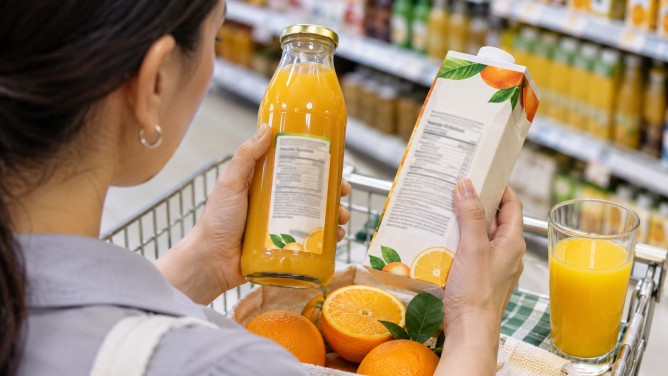
On supermarket shelves, packaged fruit beverages can appear deceptively similar, but their nutritional content can vary widely. Understanding the difference between 100% fruit juice and other fruit drinks is crucial for making healthier choices for you and your family. While some beverages consist entirely of pure fruit juice, others may include water, added sweeteners, and flavorings with only minimal fruit content.
A label stating “100% fruit juice” indicates that the drink is made from fruit juice, either directly or from concentrate. However, it is important to note that these drinks contain naturally occurring sugars and lack the fiber found in whole fruits, as the pulp is often removed during processing. This fiber is essential for digestion and helps slow down sugar absorption, making whole fruits a generally healthier option.
Other fruit beverages, like fruit nectars and fruit-based drinks, have varying compositions and may contain less actual fruit juice. Fruit nectars often mix fruit pulp with water, while fruit-based drinks might include more water and sweeteners than fruit. Additionally, fruit-flavored beverages might primarily consist of water and flavorings, with little to no real fruit content.
When purchasing packaged fruit juice, it’s crucial to examine the actual fruit percentage, ingredient list, and sugar content. Products with high fruit percentages differ significantly from those where water and sweeteners dominate. Comparing sugar content per serving can also provide valuable insights, as total sugar includes both naturally occurring and added sugars.
Marketing claims such as “natural,” “fruit-based,” or “vitamin-enriched” can be misleading, as they do not necessarily reflect the product’s nutritional quality. Similarly, while a drink may boast “no added sugar,” it can still contain significant natural sugars from the fruit. Understanding these distinctions can help consumers make informed choices.
In most cases, consuming whole fruits is more beneficial than drinking fruit juice. Whole fruits offer dietary fiber, essential vitamins, and a satisfying texture that juice lacks. For those who enjoy fruit juice, moderation is key. A small serving of about 150 ml can be an occasional treat, but water should remain the primary beverage for hydration.
Ultimately, making healthier beverage choices involves more than just attractive labels. By carefully reading packaging details such as fruit percentage, ingredient lists, and sugar content, consumers can make informed decisions that promote better nutrition and overall health.