
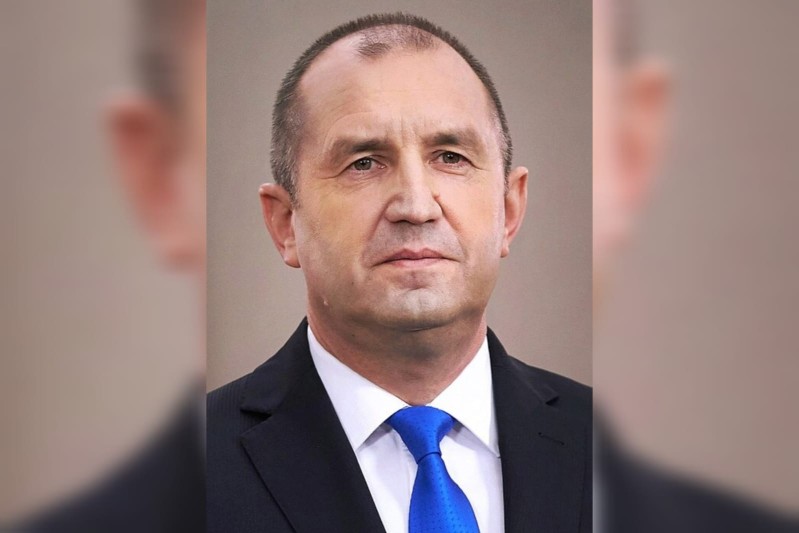
Bulgaria’s newly-elected Prime Minister Roumen Radev announced on May 8 that the government will focus on addressing rising prices by leveraging market economy tools rather than implementing price ceilings. Radev emphasized the importance of breaking the trend of increasing costs, highlighting legislative changes in the works to ensure transparent pricing and combat unfair competition. He called for strengthened measures against those disrupting fair market practices, proposing higher sanctions and improved control mechanisms. Radev also noted the need for Bulgarian producers to access markets more easily and protect them from practices that force them to sell at cost, particularly affecting dairy and livestock sectors.
Radev convened his Cabinet for its first meeting on the same day, outlining priorities such as judicial reform, anti-corruption efforts, and the efficient use of funds from the Recovery and Resilience Plan. He stressed the necessity of understanding Bulgaria’s current state, directing ministers to conduct detailed departmental analyses, focusing on financial conditions, problematic contracts, and administrative inefficiencies. The findings will guide the government in drafting the state budget while addressing hidden deficits and unpaid expenses. Moreover, Radev reiterated the commitment to dismantling the oligarchic model and ensuring an independent Prosecutor’s Office and a new Supreme Judicial Council.
The new administration plans to tackle corruption and legal violations assertively, with efforts to appoint a new, independent Prosecutor General in collaboration with the National Assembly. Radev highlighted the importance of comprehensive judicial reform to ensure fair, swift, and accessible justice. Economic goals include improving Bulgaria’s business environment, attracting investments, enhancing digital services, and reducing regulations. He also pointed out the urgency of modernizing the military and addressing public safety, particularly drug trafficking among youth.
On the international front, Radev stressed maintaining constructive foreign relations and safeguarding Bulgarian interests within international alliances. He prioritized improving education to enhance the functional literacy of the youth and announced plans for the expedited construction of the National Children’s Hospital. Radev also called for eliminating abuses in healthcare, ensuring social support for vulnerable groups, and enhancing transport and infrastructure through public-private partnerships. Energy independence, food security, and protecting domestic producers were also highlighted, alongside environmental concerns.
Finally, Radev underscored the importance of nurturing Bulgarian culture, heritage, and tourism. In sports, he emphasized the need to promote mass participation among children. His comprehensive agenda sets a course for significant reforms and improvements across various sectors, all aimed at fostering a more robust and equitable Bulgaria.