
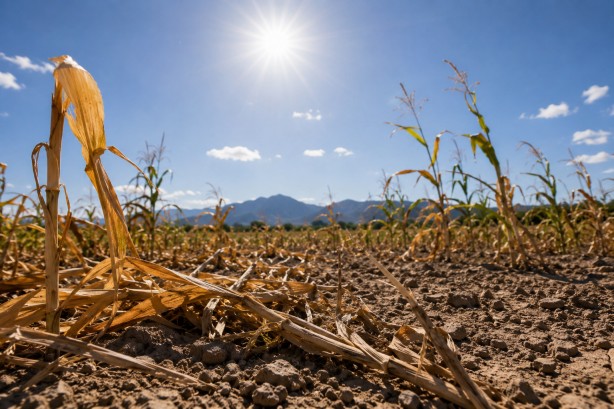
Europe’s grain production has taken a significant hit due to the record-breaking heatwave in June, leading to an estimated €2 billion loss in crop yields and a reduction in grain output by approximately 9 million tonnes. This dramatic decline heightens concerns about food security within the region and the potential rise in food prices. The European Union and the United Kingdom are witnessing their smallest grain harvest since 2018, as key crops such as wheat, barley, maize, and oats suffer under extreme weather conditions.
The heatwave’s timing was particularly detrimental, striking during the crucial pollination stage for maize and grain development for wheat, severely impacting yields in major agricultural areas. France has emerged as one of the hardest hit, with maize production expected to plummet by about 3.4 million tonnes. Hungary and Spain are also experiencing significant crop losses. In some areas, farmers report potential yield reductions ranging from 50% to 70%, largely attributed to the persistent high temperatures and drought conditions.
In the United Kingdom, the situation has been exacerbated by prolonged dry spells during spring and early summer, affecting crop growth. Farmers have been compelled to start harvesting earlier than usual, while also intensifying irrigation efforts to safeguard their fruit, vegetable, and livestock production. These measures reflect the broader struggle across Europe to adapt to the challenging climate conditions this year.
As the harvest diminishes, Europe’s dependence on grain imports is expected to rise, possibly leading to increased global grain and food prices. Market analysts warn that this situation could be further aggravated by weather-related disruptions in other major agricultural areas, including drought-stricken regions of the United States. Such global patterns may contribute to a tightening of food supplies, underscoring the vulnerability of agricultural sectors to extreme weather events.