
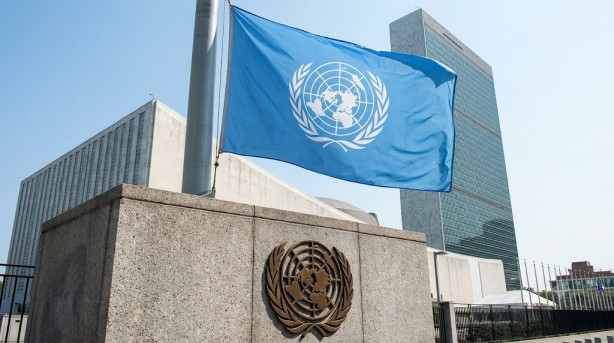
The rapid growth of artificial intelligence (AI) poses a significant risk of exacerbating global inequality, the United Nations has cautioned. A new report by an independent UN scientific panel on AI highlights the potential for increased disparity if access to AI technology, infrastructure, and expertise continues to be dominated by a limited number of countries and corporations.
The panel’s findings emphasize that merely providing access to AI tools is insufficient for ensuring equitable benefits. Nations that rely heavily on foreign AI models, cloud services, and data infrastructure may face challenges in maintaining control over standards, safety protocols, and adapting technologies to local needs. This dependency could hinder their ability to fully harness AI’s potential across various sectors, such as healthcare, education, and agriculture, while simultaneously exposing them to risks like fraud, misinformation, and threats to democratic institutions.
To counter these risks, the UN panel recommends that countries prioritize investments in their own AI infrastructure, including local data centers, digital skills development, AI education, and safety research. Strengthening systems to monitor AI performance post-deployment is also advised. The report underscores the current dominance of AI development by leading economies, primarily the United States and China, which boast advanced AI models and robust computing infrastructures. This concentration of power could restrict the participation of developing countries in the AI landscape.
Moreover, the report identifies language barriers and unequal internet access as significant obstacles. Many AI systems are optimized for widely used languages, leaving billions of people without internet access at a disadvantage and unable to reap the benefits of AI innovations. To address these challenges, the UN calls for international cooperation and the responsible development of AI, advocating for the technology to promote inclusive growth rather than deepen existing global disparities.